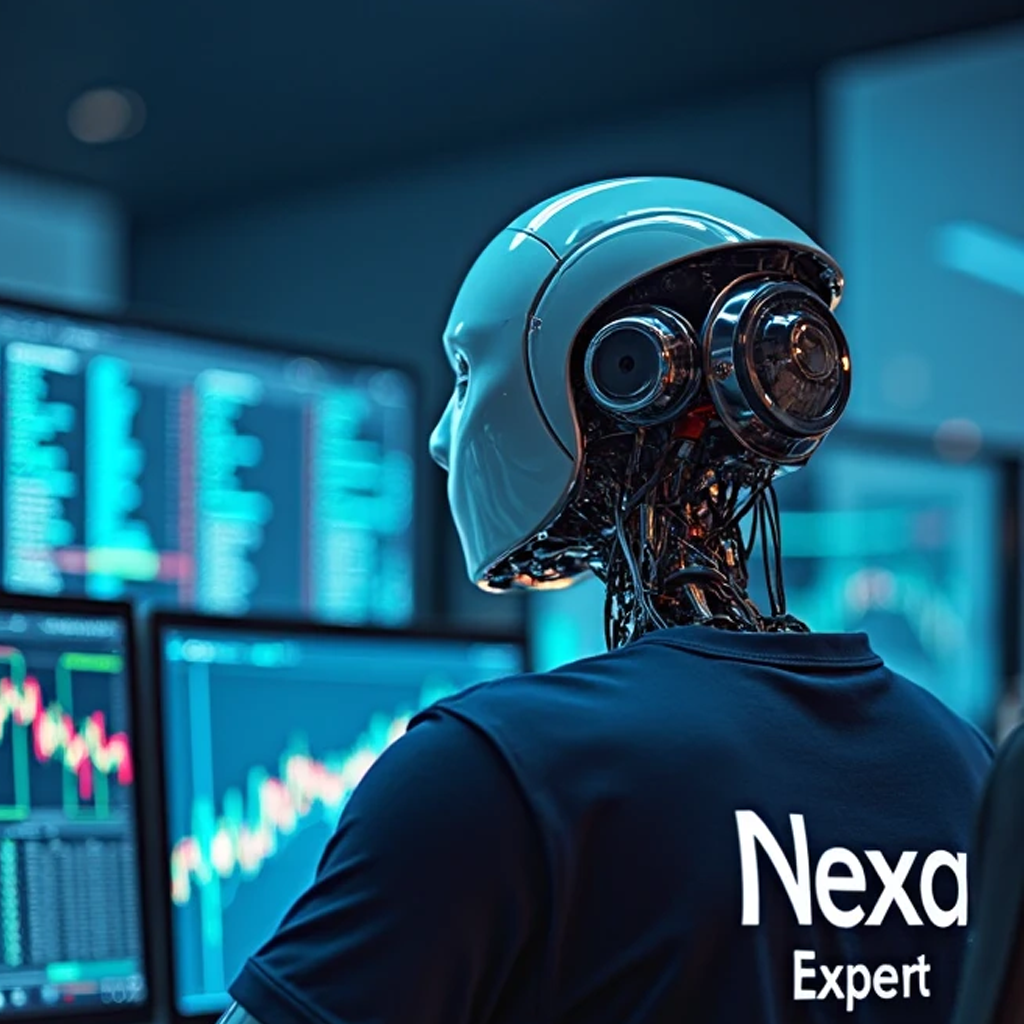

Market volatility has become the defining characteristic of 2024's trading landscape. From geopolitical tensions to central bank policy shifts, investors face unprecedented challenges in navigating these turbulent waters. Understanding the drivers of volatility and implementing robust risk management strategies has never been more critical.
The Current Volatility Landscape
The first half of 2024 has seen volatility indices spike to levels not witnessed since the global financial crisis. Several factors contribute to this heightened uncertainty:
- Geopolitical tensions affecting commodity prices and supply chains
- Central bank policy divergence creating currency volatility
- Technological disruptions reshaping traditional market dynamics
- Climate-related events impacting agricultural and energy sectors
Understanding Volatility Metrics
Successful traders recognize that volatility isn't merely random price movement—it's a measurable phenomenon that can be analyzed and predicted. Key metrics include:
The VIX Index
Often called the "fear gauge," the VIX measures expected volatility in the S&P 500 over the next 30 days. Readings above 30 typically indicate high volatility, while levels below 20 suggest calmer markets.
Strategies for Volatile Markets
1. Diversification Beyond Traditional Assets
Modern portfolio theory suggests diversifying across asset classes, but true protection requires going further. Consider:
- Alternative investments (real estate, commodities)
- Geographic diversification across emerging markets
- Temporal diversification through dollar-cost averaging
2. Volatility-Based Position Sizing
Adjust position sizes based on current volatility levels. When volatility increases, reduce position sizes to maintain consistent risk exposure.
3. Options Strategies
Options provide powerful tools for volatility trading:
- Straddles and strangles profit from large moves in either direction
- Iron condors generate income in low-volatility environments
- Protective puts provide downside protection for equity positions
The Role of AI in Volatility Prediction
Artificial intelligence has revolutionized volatility forecasting. Machine learning algorithms can process vast amounts of data to identify patterns invisible to human analysts. Our proprietary AI systems analyze:
- Market microstructure data
- News sentiment and social media trends
- Cross-asset correlations
- Historical volatility cycles
Building Resilient Portfolios
The key to thriving in volatile markets isn't avoiding volatility—it's building resilience. This means:
- Maintaining adequate cash reserves for opportunities
- Using volatility as a tool rather than fearing it
- Continuously adapting strategies as conditions change
- Focusing on long-term objectives despite short-term noise
Conclusion
Market volatility is inevitable, but losses are optional. By understanding the drivers of volatility, implementing robust risk management, and leveraging modern tools like AI, traders can not only survive but thrive in turbulent markets. The key is preparation, discipline, and continuous learning.
At Nexa Expert, our AI-powered trading systems are designed specifically to navigate volatile conditions, identifying opportunities while managing risk. Whether through our automated trading robots or expert signal services, we provide the tools you need to succeed in any market environment.